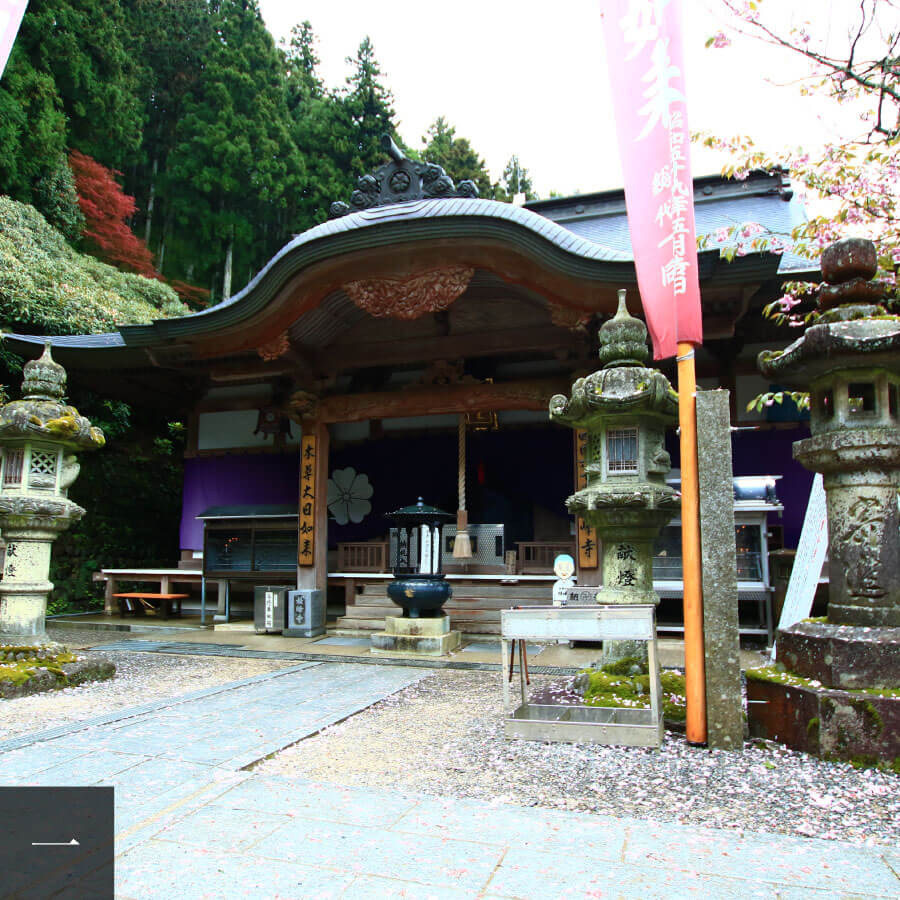
Shippozan Jinnein

Temple68

【Pilgrim’s Song】
The sound of the flute, the wind in the pine, the strings of the koto
Voices of the Law, singing and dancing
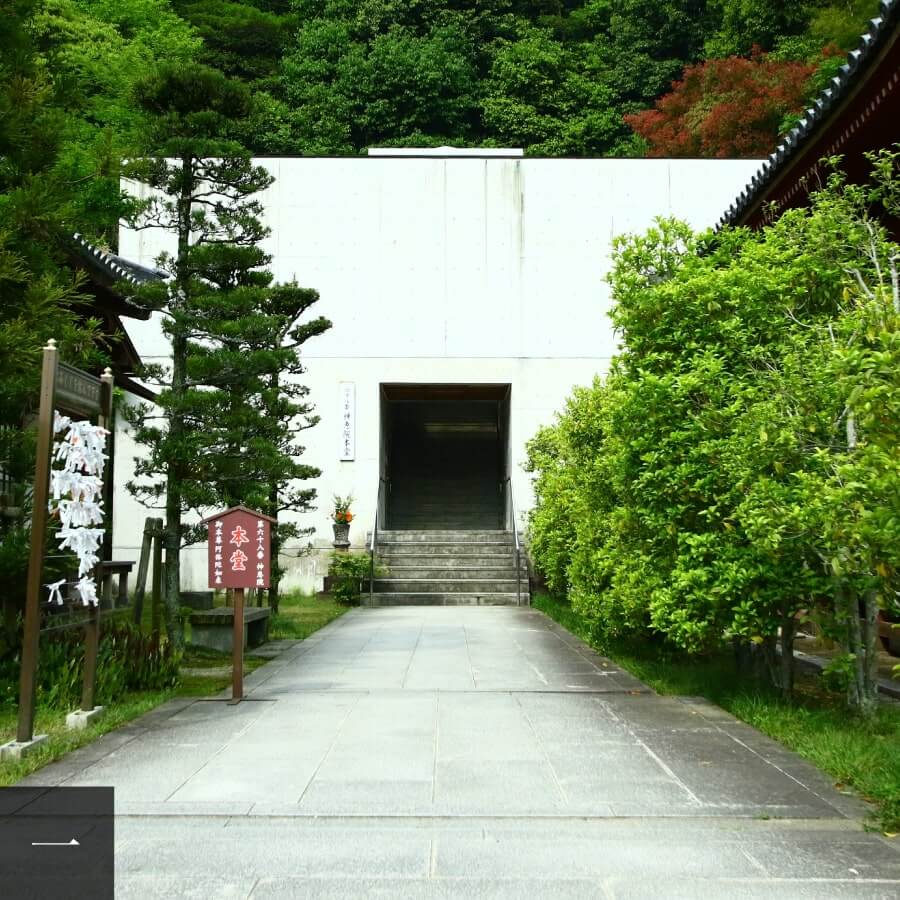
Main hall

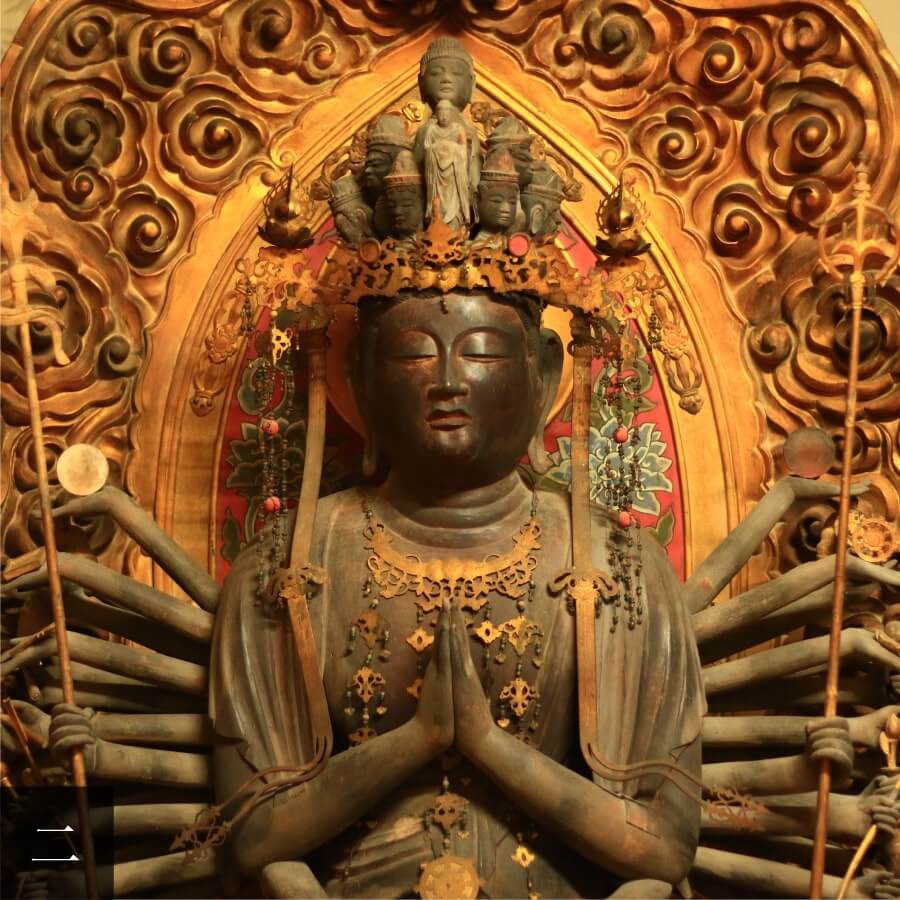
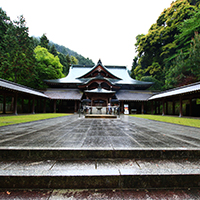
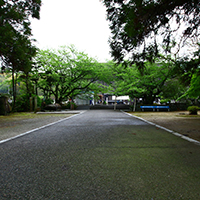
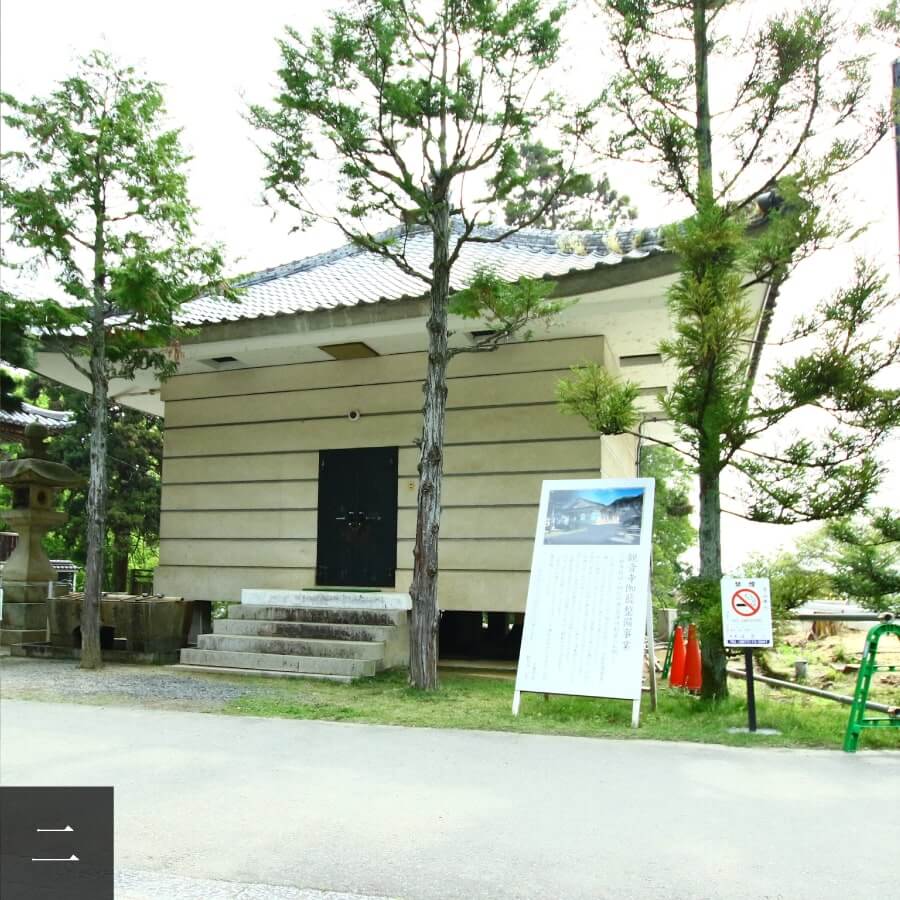
The main hall, newly built in 2002, is a modern structure that is combined with Shiraki without laying concrete. * Image 1
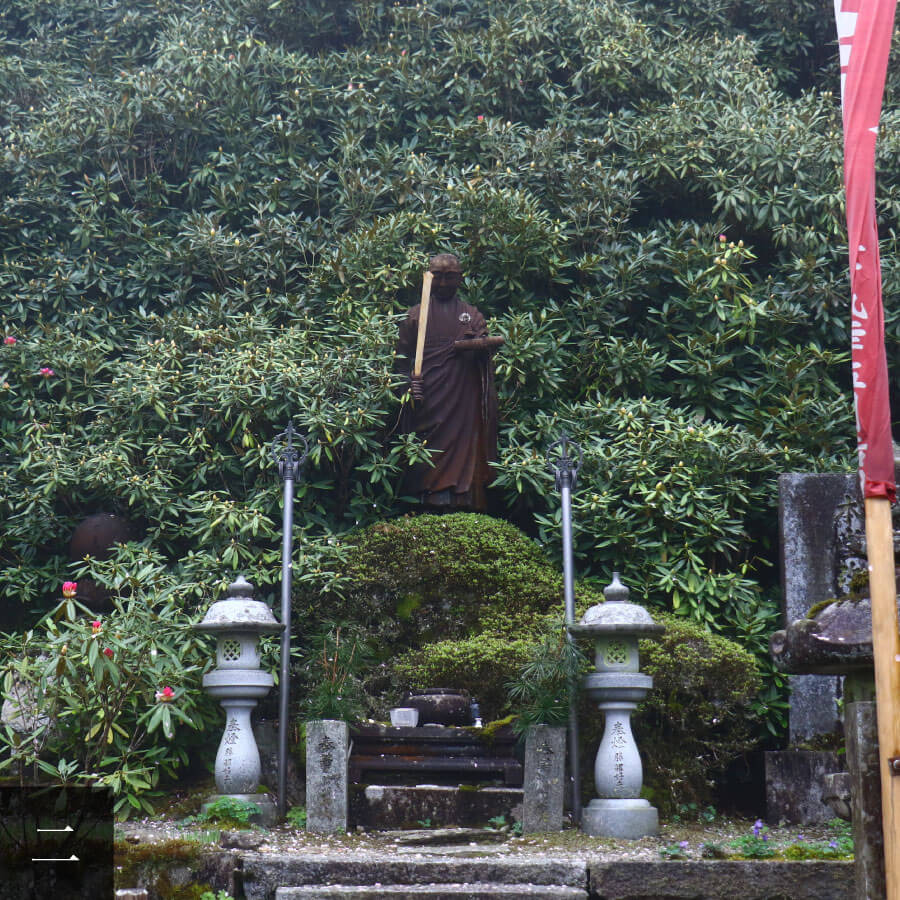
Treasure hall

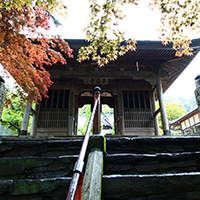
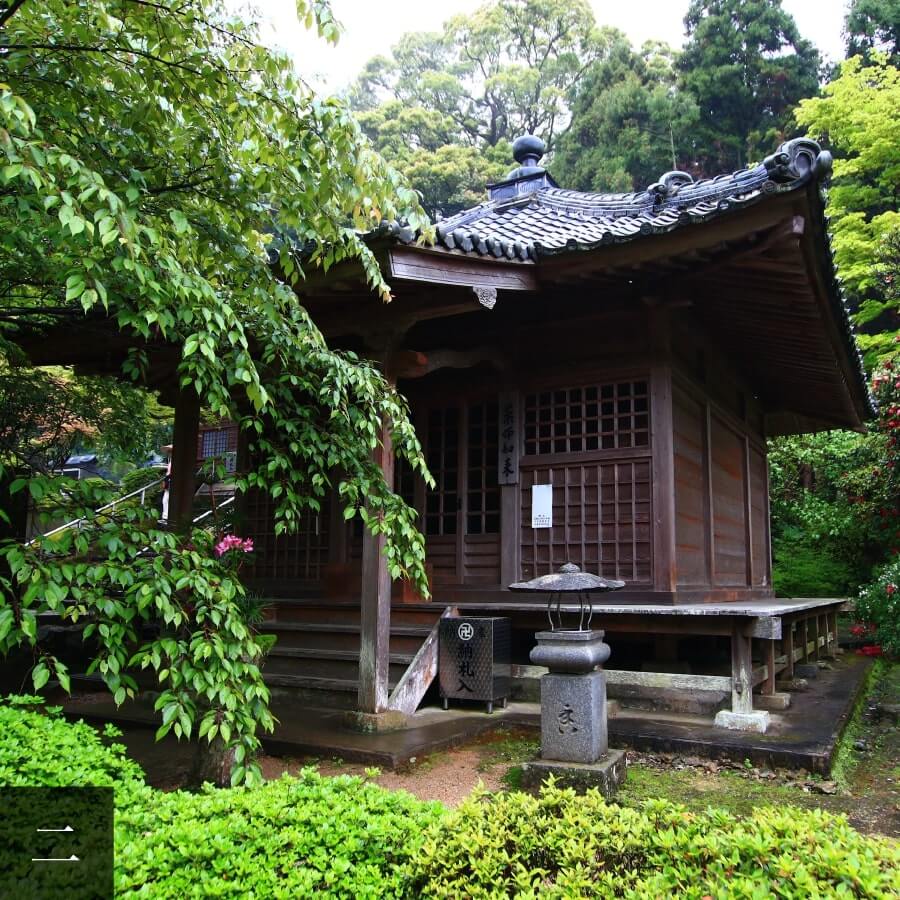
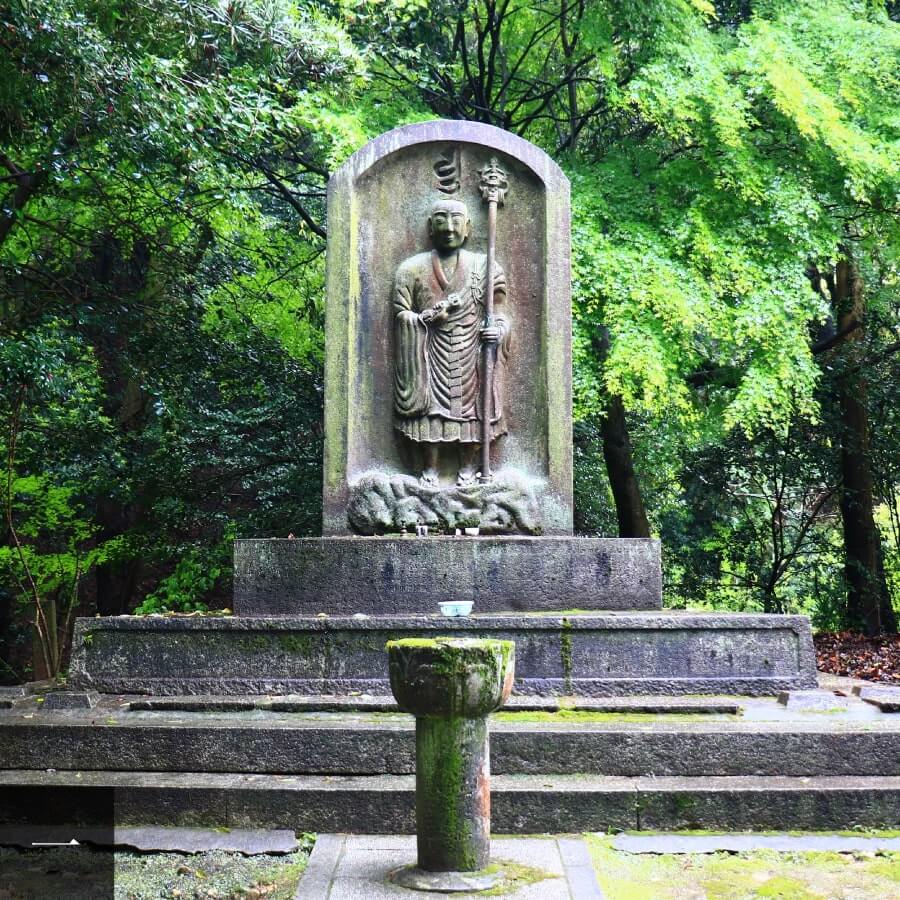
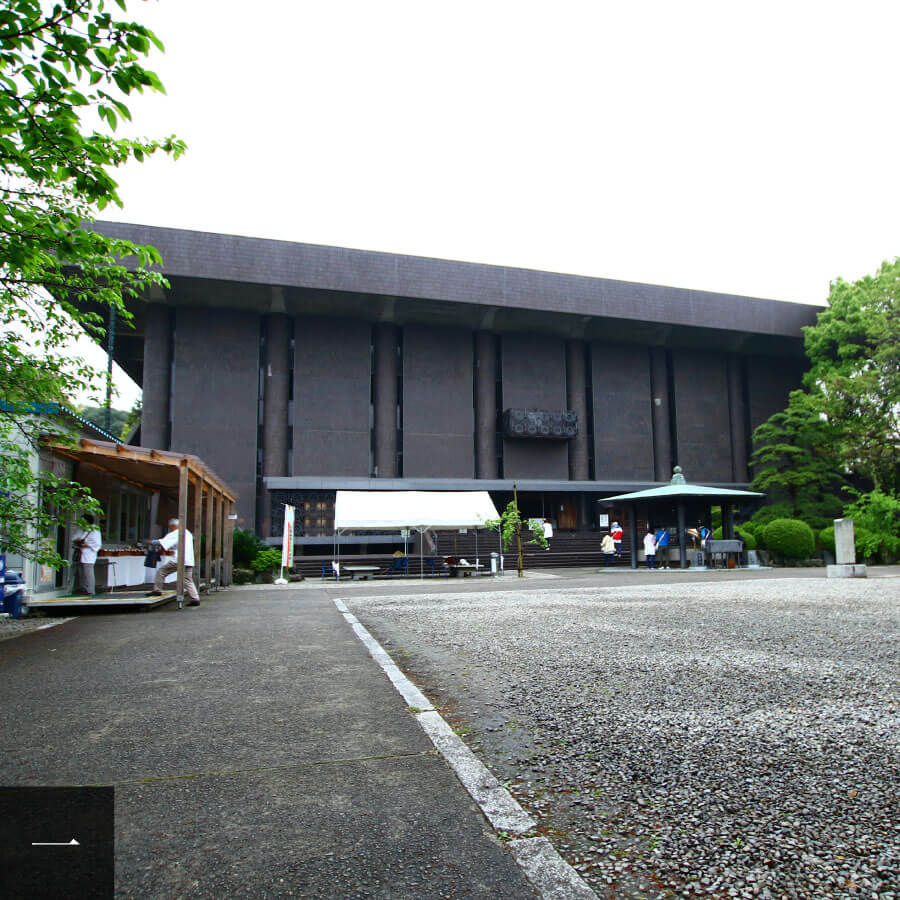
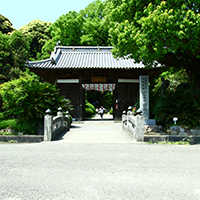
There are many temple treasures that have been designated as important cultural properties of the country, such as “Gautama Buddha Entering Nirvana” the “Koto Playing Hachiman Buddha”, the “Imperial Koto Palace Illustration. These can be viewed on February 15th and April 8th. * Image 2

History and origin of Jinnein

The 68th, Jinnein, and the 69th, Kannonji temple are located on the hillside of Kotomizan in Kotomikoen Park. It is a very unusual sacred place where two sacred places are located on the same grounds
It is said that it was opened by a high priest of the Hoso sect, Nisshō Shonin. In the 3rd year of the Taihō era, (703). While training in this area, Usa Hachiman appeared to him, a ship floating on the waters and the sound of the koto ringing, the sound rising up the mountain. This was the “Kotobiki Hachimangu”. At this time, the temple was built as a shrine. In 807, Kobo Daishi painted the Amida Nyorai, the main Buddha Kotobiki Hachimangu and revered it as the main deity.

Later, Kotobiki Hachimangu was separated into Kotobiki Shrine and Jinnein by the shrine of Buddhism in the first year of the Meiji era, and Shinkei-in was relocated to the Kannonji precinct at the foot of the temple. At the same time, the Amida statue, which had been enshrined in Hachimangu Shrine, was also moved to Saikondo. Since then, Jinnein has been built with Saikondo (newly built in 2002) as the main hall and Amida Nyorai statue as the main deity.

The highlights of Jinnein

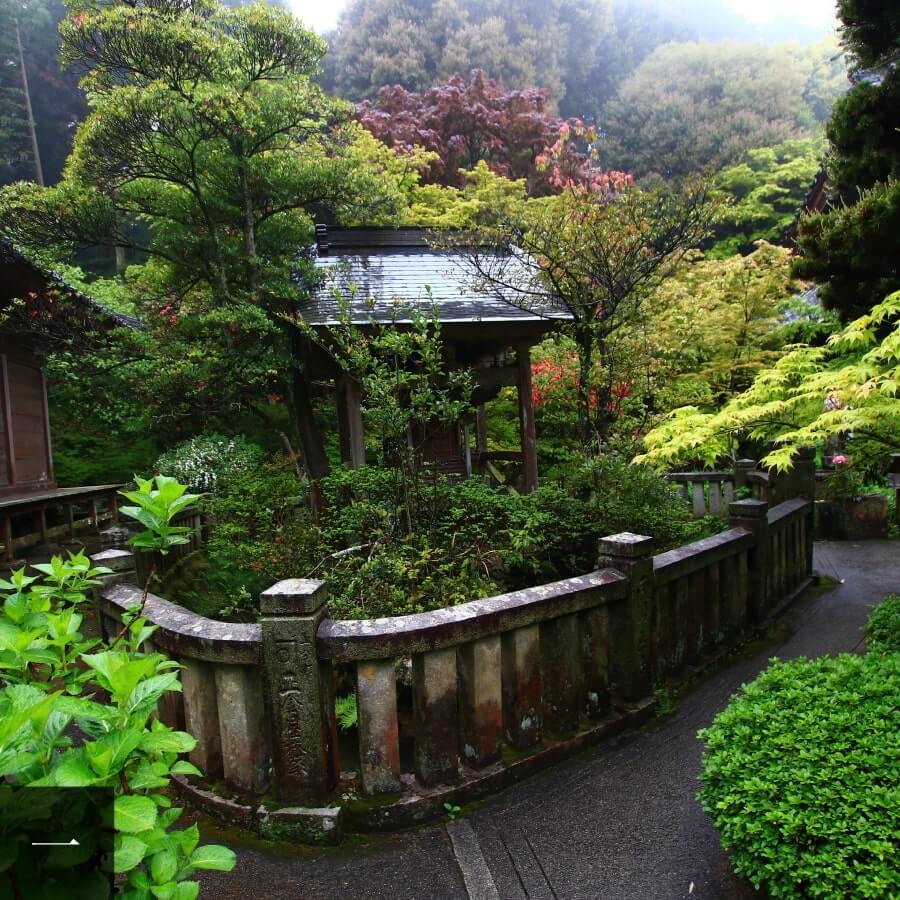
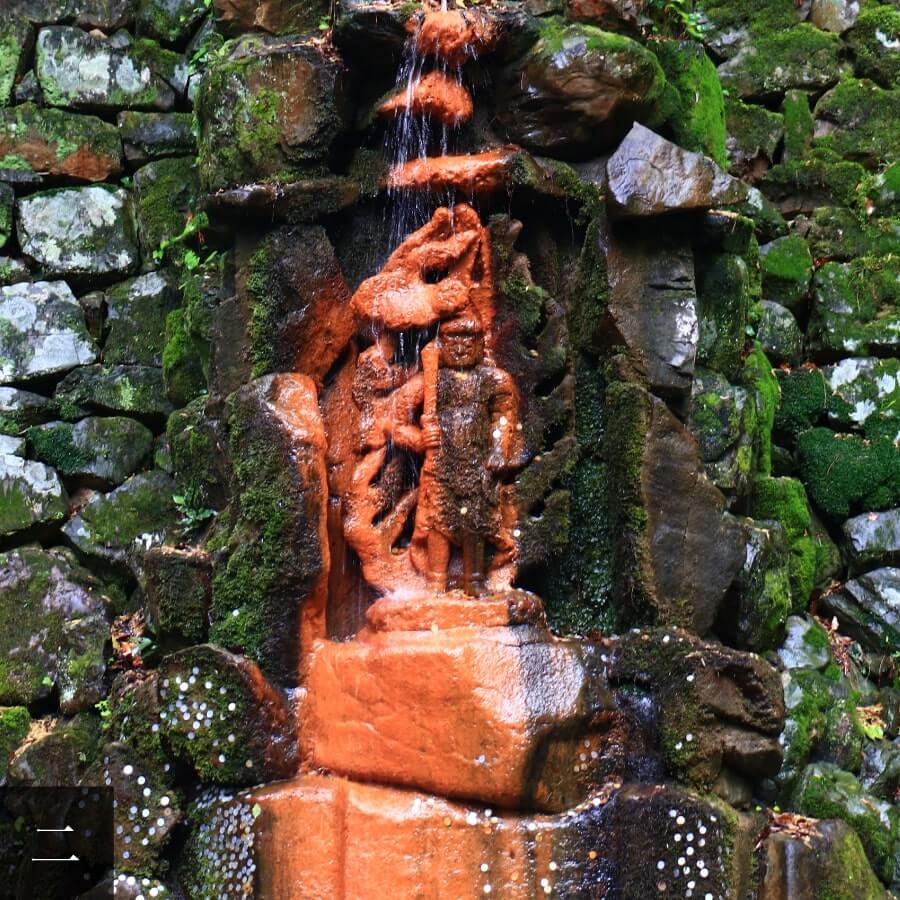
Main Hall, Treasure Hall, Gion (a migratory garden using the slopes, rocks, and flowing water of the mountains). It is said that the 45th Daisei Daimon Masakazu was built. Although it is lost, it is famous for its beautiful azaleas in spring.)

Annual events at Jinnein

fair
Date: January 16th, August 16th
Goma offering
8th and 27th of every month (10: 00 ~)

Temple 68 Fudasho: Shippozan Jinnein

Denomination
Shingon Buddhism Daikakuji School
Honzon
Amida Nyorai
Pioneer
Nisshō Shonin
Founding
3rd year of Taihō era (703)
Mantra
On amirita teisei kara un

Access

Location
Yahata-cho 1-2-7, Kannonji, Kagawa 768-0061
Tel
0875-25-3871
Parking
Yes
Shukubo
(TempleLodging)
None
Website
http://www.shikoku88-6869.com/

From Onohara Interchange, take National Route 11 and Prefectural Road 8 toward Takamatsu City. Go straight across the JR Yosan Line crossing. If you cross the Zaida River, you will find a parking lot at the foot of Kotonayama.
  ⇒ Google map
Komatsuozan Fudoukoin Daikoji

Temple 67

【Pilgrim’s Song】
Oh! look at plants of Komatsuoji
Wind blows to the teaching of Buddhist Law

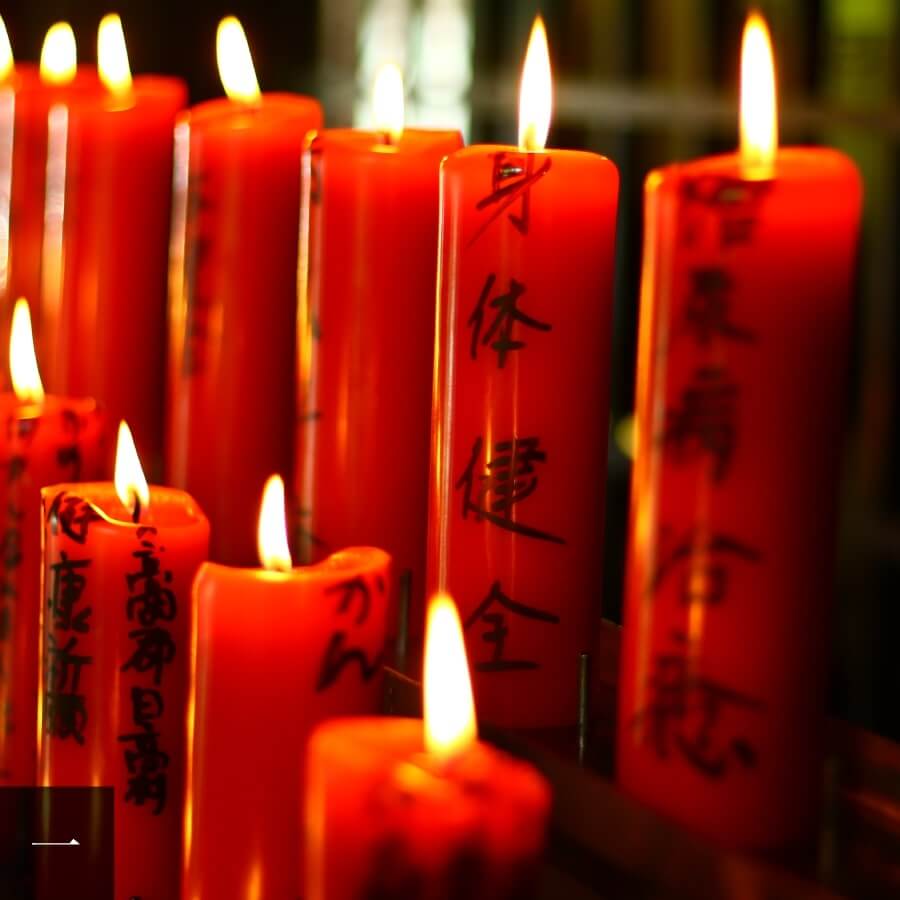
Main Hall:”7th Day Votives to Buddha”

A red candle is lit in the main hall for 7 days for prayers. There are benefits such as healing of illness, safe delivery of children, and goodwill with others. * Image 1

Niomon

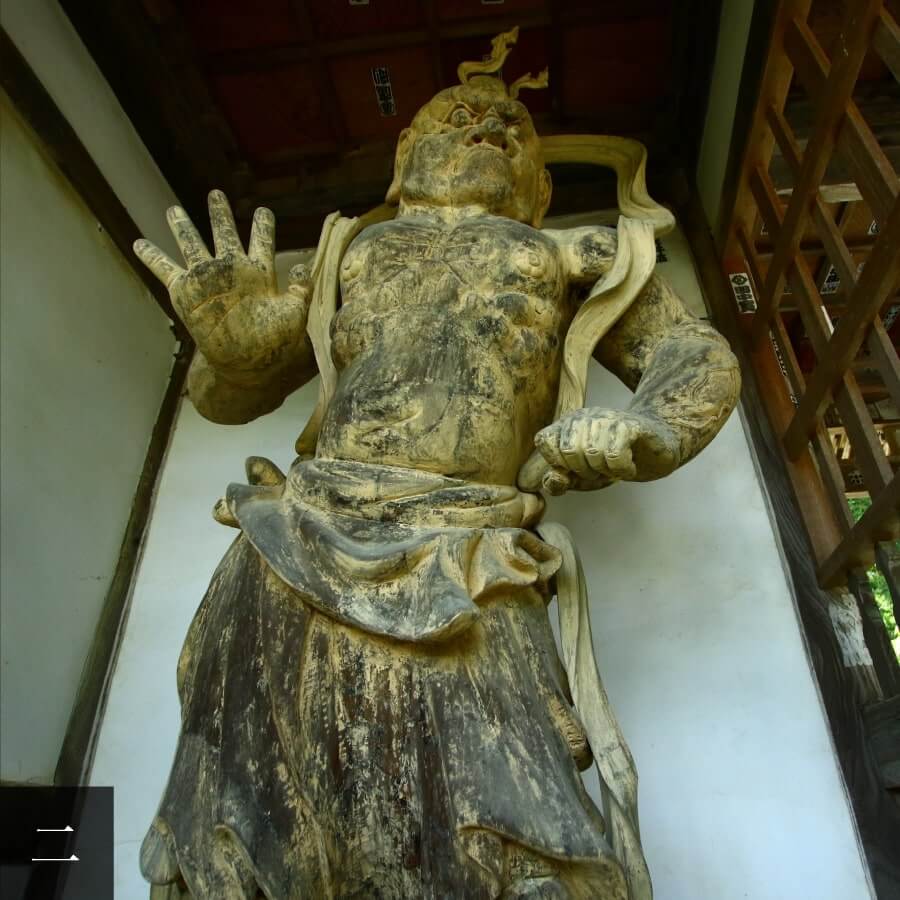
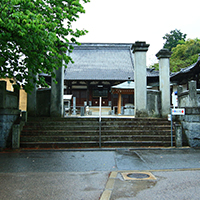
The majestic statues of the Deva Kings of the gate are said to be bring the great favour of Buddha. * Image 2

History and origin of Daikoji

Locally, the name of this temple is “Komatsuoji”, which is named after the mountain, rather than Daikoji, and is popular, and a nearby village is called “Komatsuo”.
According to Engi, it was built about 1 km northwest of the Todaiji Sue-ji Temple for the protection of the kami of the three main shrines of Kumano in 742, the 11th year of the Enryaku era, (792). In the 13th year of the Kōnin era, (823) it was reported to have been rebuilt by the imperial decree of the most virtuous Emperor of Saga. However, at the end of the Sengoku period, everything was destroyed by the fires of Motochika Sosokabe. The temple was rebuilt again in the Keichō era (1596-1615), but again burned down, and the main hall was once more erected in 1741, the first year of the Kanpō era..

The present Daikoji temple is a Shingon Buddhism temple, but it has a rare history that Shingon Tendai two Buddhist sects were enshrined in the same temple grounds. For that reason, the influence of Tendai Sect is so great that the Kobo Daishido is on the left side of the main hall. And on the right side, there is a remnant of the Tendai Daishido, which is dedicated to Tendai Buddhism. In addition, the flanking deities are Fudou Myou and Bishamonten, but Fudou Myou is in the Tendai style.
The following five items are designated as cultural assets in Kagawa Prefecture. One is a statue of a seated Yakushi Nyorai, which is 84 centimeters in height, of the late Heian period, made of hinoki cypress, lacquered, by the legendary Kobo Daishi. The Tendai Daishi seated statue, dating to the second half of the Kamakura period (1276), is painted with Japanese cypress wood and is 77.4 cm high. There are very few statues of the Tendai Daishi. Recent studies revealed that the Kobo Daishi sitting statue was the same as the Tendai Daishi sitting statue in the second year of the Kenji era. Designated as a cultural property. It is the oldest statue of Kobo Daishi in Shikoku. Two majestic statues of the Deva Kings at the Niomon are said to have been created by Unkei, a famous Buddhist priest, and have a height of 314 cm. They are early works of the Kamakura era, and the largest of all 88 Sacred Sites of the Shikoku Pilgrimage. “Daikoji”, marked on a plaque with the 4th year of the Bun’ei era (1267)

The highlights of Daikoji

Main Hall’s “Seventh Day Dawn”, Niomon Gate, Saddle Pass

Temple 67 Fudasho: Komatsuozan Fudokoin Daikoji

Denomination
Shingon Buddhism Zenzenji
Honzon
Yakushi Nyorai (by Daishi)
Pioneer
Kobo Daishi
Founding
Tenpyō era year 14 (742)
Mantra
On korokoro sendari matōgi sowaka

Access

Location
Yamamoto-cho Tsuji 4209, Mitoyo, Kagawa 768-0101
Tel
0875-63-2341
Parking
Available (free)
Shukubo
(TempleLodging)
None
Website
http://www.komatsuoji.com/

From Onohara Interchange, head towards Takamatsu City via National Route 11, Prefectural Route 240, National Route 377, and enter Yamamoto-cho from Kannonji City. Turn left at the Daikoji sign and go straight to the right.
⇒ Google map
Kyogozan Senjyuin Unpenji

Temple 66

【Pilgrim’s Song】
Come to the temple on the banks of the clouds
From the foot of the mountain see the moon and sun

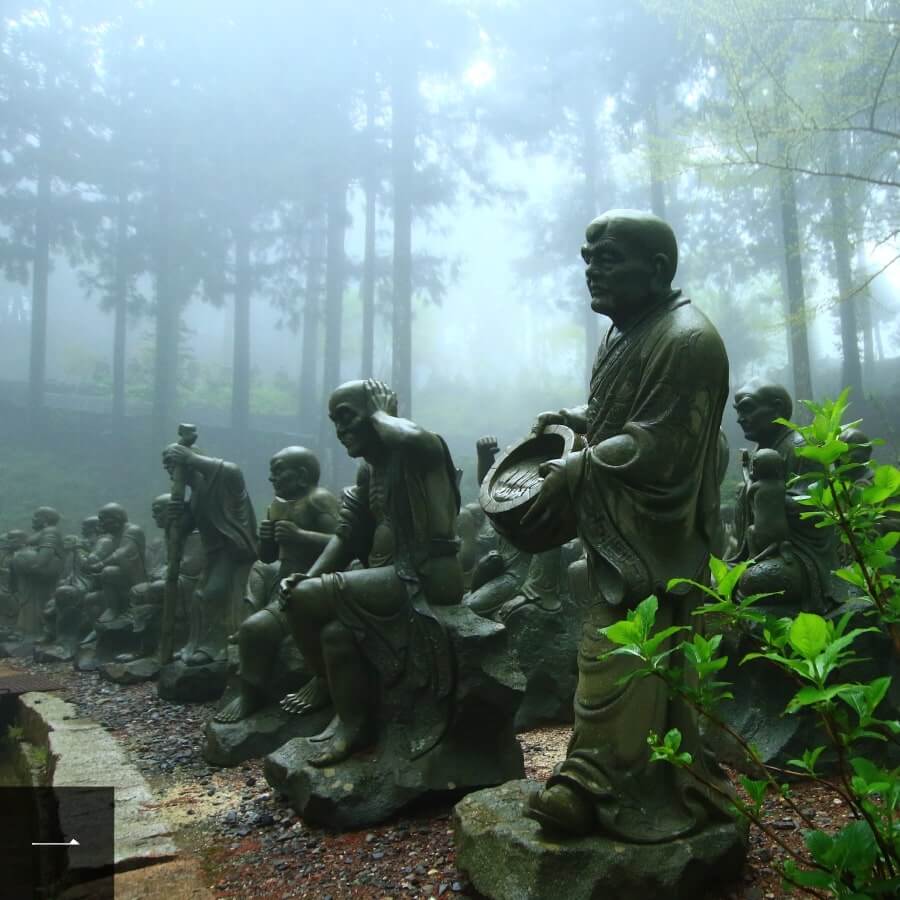
500 Arhat Statues

The life-size 500 Arhat statue, Buddha’s apprentices, are enshrined throughout the grounds, watching over those who visit. * Image 1

National Important Cultural Property

The principle deities of worship, The Seated Senju Kannon, Statue of Fudou Myou, Bishamonten, illustrations in silk of the coming of Buddha at the time of death (Raigō).
* Image 2 is the Seated Senju Kannonza statue

History and origin of Unpenji

The highest altitude of 911 meters in the Shikoku Sacred Site, near the summit of the Shikoku Mountains. Currently, it is possible to climb from the foot to the summit station or travel by ropeway. The address of the grounds is in Tokushima Prefecture, but as a sacred place, Sekijo-ji it is the beginning of Sanuki. According to Engi, Kobo Daishi climbed Unpenji three times. The first was in the 8th year of the Enryaku era, when Daishi was 16 years old, looking for building materials for Zentsuji Temple (No. 75). This is the founding of Unpenji. The second time, when he was 34 years old in the second year of the Daidō era (807), he had a treasure from China and received a secret training “Himitsu Kanjou”. In addition, in the ninth year of the Daidō era (818, Daishi 45 years old), he ascended at the behest of Emperor Saga (reigned 809-23), carved the main deity, and delivered the bones of the Buddha and the teachings of Vairocana (Buddhist stone), and in the mountain a memorial service for the seven Buddhas was performed it was set as a sacred place

The Sacred Grounds are commonly called “Shikokubo” and became a dojo for the study and training of monks who came from various countries to Shikoku and prospered as “Shikoku Takano”. In the first year of the Jōgan era (859-77), it became the temple built at the imperial order of of Emperor Seiwa (reigned 858-76). During the Kamakura period, the seven structured temple was also maintained, and it was said that it was the gateway to Awa, Iyo, and Iki as an old temple with 12 monks and 8 branch temples in the grounds. In the Tensho period (1573-92), Tosa’s great family, Motochika Sosoube camped at the white castle of this area and worships at Unpenji, looked down from the mountain, and planned for the domination of all Shikoku. At that time he was admonished by the high priest. Although the history of Unpenji has its fate, since the Edo period, it has received generous protection from the Awa feudal lord, Hachisuka. Surrounded by thousand of old cedars, they protect the light of Buddhism while surrounded by clouds.

The highlights of Unpenji

Kyogou, National Important Cultural Property, Unpenji Urayama Question and Answer (Question and Answer between Chosokabe Motochika and Toshitaka Sumiyo).
Bishamonten Observatory (You can enjoy a 360-degree view of the four seasons of Mount Unbeji.)

Temple 66 Fudasho: Kyogozan Senjyuin Unpenji

Denomination
Shingon Buddhism Omuro
Honzon
Senju Kanzeonen (Chinese work)
Pioneer
Kobo Daishi
Founding
8th year of the Enryaku era (789)
Mantra
On basara tarama kiriku

Access

Location
Ikeda-cho Hakuchi Norouchi 763, Miyoshi, Tokushima 778-5251
Tel
0883-74-0066
Parking
Yes
Shukubo
(TempleLodging)
None
Website
None

From Onohara Interchange, take National Route 11 and Prefectural Road 8 toward Takamatsu City. Follow the ropeway sign and follow the mountain road to arrive at the Unbeji Ropeway platform.
⇒ Google map
Yureizan Jisonin Sankakuji

Temple 65

【Pilgrim’s Song】
When in misery at the place of three corners
Pray that mercy and compassion come to the heart

Triangle pond

There is a triangular island in the pond, around a few dozen meters around, and a small hall where Benzaiten (goddess of music) is enshrined. * Image 1

Yakushido

It is said that this place can cure warts and corns on feet. The warts fall like a pine cones. For corns on the feet, dedicate a votive picture of an octopus and pray for relief. The octopus suckers will remove the corns from feet. * Image 2

The history and origin of Sankakuji

When the poet Issa Kobayashi of the Edo period visited in the 7th year of the Kansei era, (1795), he said, “This is the only way to climb a mountain. Mountain sakura.” Yamauchi is a famous place full of cherry blossoms that are 3,400 years old. This is the last sacred place in Iyo, at an altitude of about 360m.
According to Engi, it is reported that Gyoki Bodhisattva founded the temple to emulate the Maitreya Pure Land at the imperial request of Emperor Shoumu (reigned 724 to 49). After that, Kobo Daishi visited in 815, in the 6th year of Kōnin era, and carved a statue of the eleven-faced Kannon. In addition, the Daishi also engraved with the statue of King Fudou Myou, and built a triangular “homa-mandala” (fire altar), and was trained in the “Secret Law of Goma” ritual for 21 days in prayer for national security and the well-being of all. The remains of this homa-mandala survive as an island in the “Triangle Pond” between the residence and Yakushido, and it is the origin of the temple name. In addition, the Emperor Saga (reigned 809 to 23) received the deep religion, and 300 hectares of land was provided as temple grounds. It is said that the fortune of the seven structure temple grew and became prosperous.

However, the temple was damaged by the “Tensho Fires” of the Chosokabe army and burned down some of the buildings. The current main hall was rebuilt in 1849, the second year of the Kaei era, and was restored in 1971, the 46th year of the Shōwa era.
The Kannon in the Honzon has long been a source to ward off evil, and as the Kannon for ease in childbirth for those who seek faithfully. A talisman amulet and belly band are given, and it is said that a couple who is not blessed with a child receives a ladle at the temple and that if they eat together they will be blessed with children. After the child is safely delivered it is customary to prayerfully replace the ladle you were given with a new one.

The highlights of Sankuji

Triangular pond, Yakushido, Enzo Jizo statue (Rebuilt in 1977. 7m high copper)

Temple 65 Fudasho: Yureizan Jisonin Sankakuji

Denomination
Koyasan Shingon sect
Honzon
Eleven-faced Kanzeonen (by Kobo Daishi)
Pioneer
Gyoki
Founding
Tenpyō era (729-749)
Mantra
On maka kyaronikya sowaka

Access

Location
Kanadacho Sankakuji-Ko 75, Shikoku Chuo, Ehime 799-0124
Tel
0896-56-3065
Parking
Yes
Shukubo
(TempleLodging)
None
Website
None

Enter National Route 192 from Mishima Kawanoe Interchange. Head toward Tokushima, turn right at about 200m and turn right for about 4km.
⇒ Google map
Ishizuchisan Konjikiin Maegamiji

Temple 64

【Pilgrim’s Song】
Before the god is Buddha’s paradise
Taking away all the guilt of sin

Ascetic Daishi

* Image 1

Waterfall Fudouson

On the right after crossing the Pure Land Bridge in the right back of Daishido. In the past, training under the waterfall was performed. Image 2

History and origin of Margamiji

It is a sacred place at the foot of Mt. Ishizuchi (altitude 1982m), one of the seven sacred mountains in Japan that is worshiped as a mountain for mountain worship, and is the head temple of the Shingon sect of Buddhism.

In the beginning, during Emperor Tenmu’s reign (673-86), The founder of Shugendō (Japanese mountain asceticism incorporating Shinto and Buddhist concepts) Ozunu, when he finished performing ascetic rituals on Mt. Ishizuchi, both Sakyamuni and Amida appeared to him in the form of Zaō Gongen to relieve the suffering of the people. He was moved by the fact that they had appeared and enshrined them by engraving a statue. Later, Emperor Kanmu (reign 781 to 806) prayed for and received healing for illness, and established a seven structure temple, and at his order was granted the name “Konjikiin / Maegamiji”. Since then, Emperor Buntoku, Emperor Takakura, Emperor Gotoba, Emperor Juntoku, and others, became deeply religious.

Later, Kukai (Kōbō Daishi) is also known to have visited Ishizuchiyama twice and studied the laws of Akasagarbha (bodhisattva), Goma training and fasting training, among others.

In the Edo period, the temple luck was thriving and became a place of prayer for Lord Saijo of the Matsudaira family, giving the three-leaved temple crest, etc. . It was reconstructed as Maegamiji in 1882, year 22 of the Meiji era, and the temples were handed down as the Shingon sect headquarters.

The annual “Opening of the Mountains” is from July 1st, is a gathering time with the lay people in white robes, chanting “Nanmaida” to the sound of conch shells.

The highlights of Margamiji

Gongen-sama fair, Mitake Yokoba Fudoson (right back of Daishido, right of Jodo Bridge, once trained in waterfalls), Okunoin, Okuzenjinji (in the middle of Mt. You can visit during the mountain opening period.)

Annual events at Margamiji

Revision meeting
Date: January 1 to 3 at the main hall (①9: 00-11: 00 ②13: 00-15: 00)
Setsubunkai (Star Festival)
The date and time: February 3rd (13: 00- Opening and fortune casting of Shigeru Daigo Makoto, Gongen-sama)
Kanbutsukai (Flower Festival)
The date and time: May (7: 00-17: 00 Amacha is available in front of the Shukubo entrance)
Osunafumi
Date: May (9: 00-16: 00 at the main hall)
Natsuyama training
The date and time: June 30 (7: 00- Shiba-lanto Daigo)
Natsuyama training application
The date and time: February 3 (12:30-Shibanato Daigo-no-Makoto, Gongen-sama will be opened and fortune casting)
Revision meeting
The date and time: December 31 23:45-Night of the night bell (Gongen-sama’s bill is awarded) Goma-don (Fudodo), Gongen-sama opening book (Gongen-do)

Temple 64 Fudasho: Ishizuchisan Konjikiin Maegamiji

Denomination
Shingon Buddhism
Honzon
Amida Nyorai
Pioneer
Executive Officer Kokaku
Founding
Late 7th century
Mantra
On amirita teisei kara un

Access

Location
1426 Sonouchiko, Saijo City, Ehime Prefecture 793-0053
Tel
0897-56-6995
Parking
Available (free)
Shukubo
(TempleLodging)
None/dd>

Website
None

From Iyo-Komatsu Interchange, take National Route 11 toward Saijo City. Turn right at the 100m point of Ishizuchiyama Station signal and go straight ahead.
⇒ Google map

Mikkyozan Taizoin Kichijyoji

Temple 63

【Pilgrim’s Song】
Strike the evil spirit in your body
Pray for the omens of good fortune

Celestial Maiden Pass for Good Omens

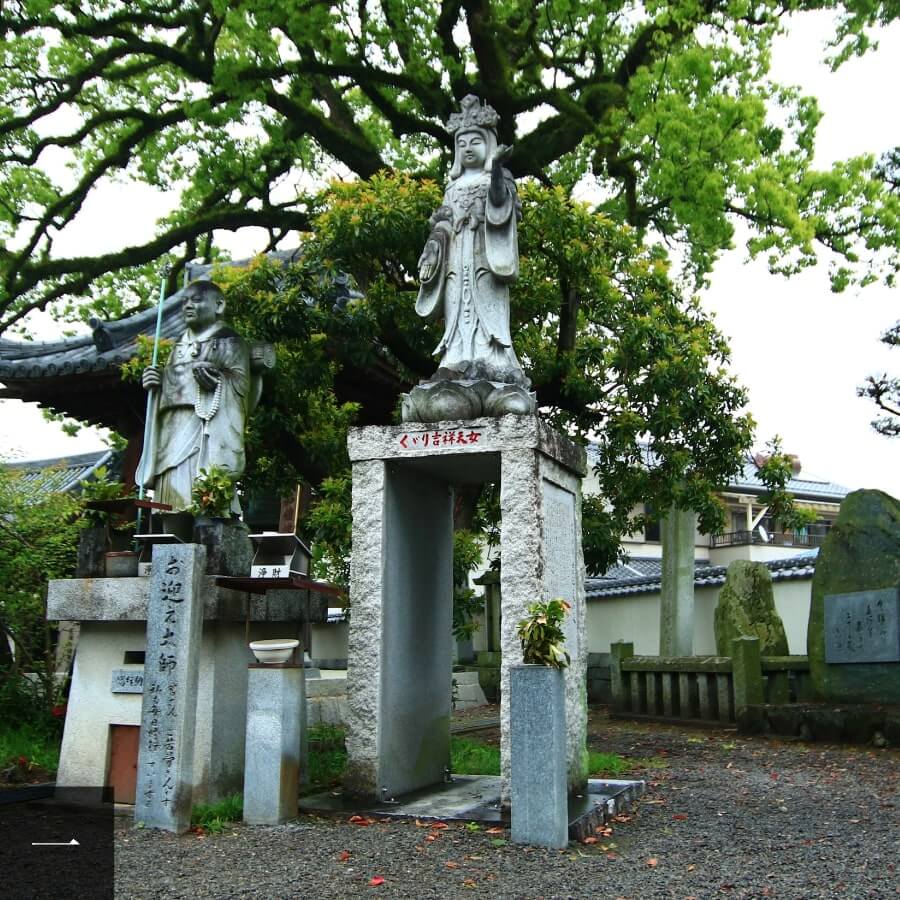
To the right of the welcoming Daishi is the statue of Kisshō Tennyo, the princess and principle deity Bishamonten. This is the name of the temple. As a Buddha of Heaven who removes all poverty and brings great wealth, she has gathered great devotion. It is said that there is are benefits if you pass under this statue “Kuguri Tennyo”, and she is popular with many people under the name of “Kichijou Tennyo” (as “kichi” can mean “luck”). This elegant standing figure is impressive. * Image 1

Fulfillment Stone

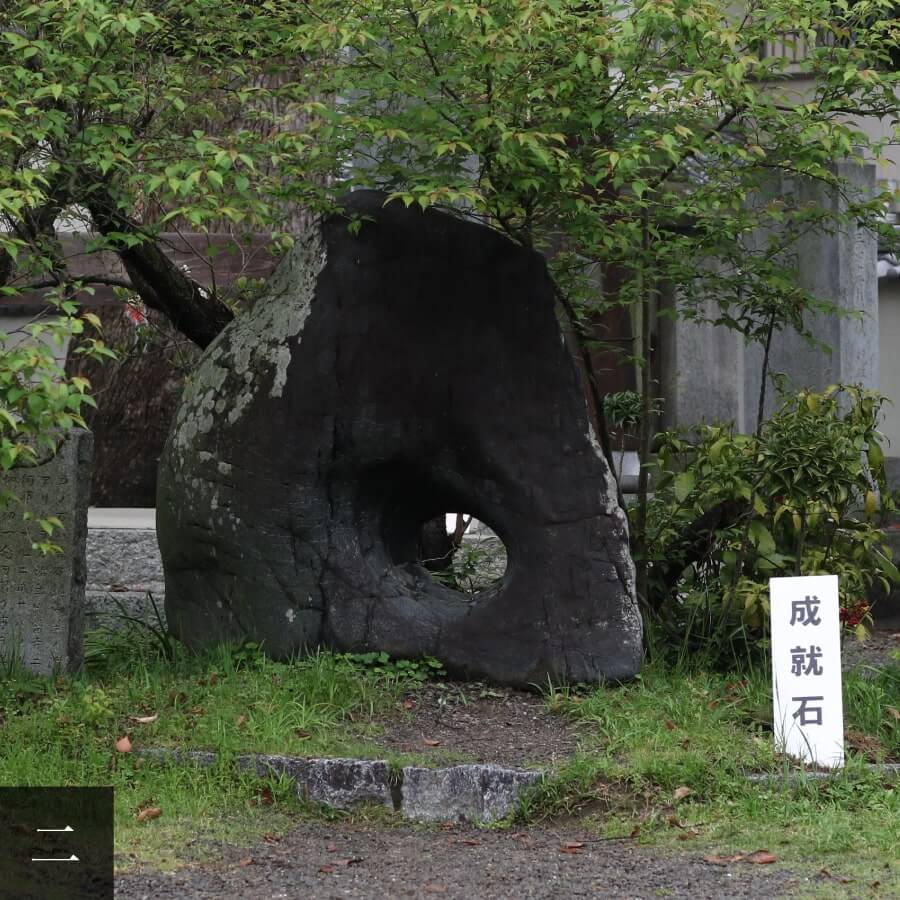
It is a stone about 1m in height to the right of the hand basin. There is a hole with a diameter of 30-40cm below the center. * Image 2

History and origin of Kichijoji

In the Shikoku Pilgrimage, Kichijoji is the only place where the principle deity is Bishamonten.
Kobo Daishi visited this region during the first year of the Kōnin era, and at that time, Daishi found a cypress that radiated light, and felt that the whole area was full of spirit. Daishi sculpted the statue of Bishamonten, for the main sanctuary, with this sacred tree, and also engraved and enshrined the Kichijōten statue and the Zennishidōji statues as flanking deities, and built temple to pray for relief from poverty.
The temple at that time was in Mt. Sakamoto, southeast of the present location, and had about 21 sub-temples in this large temple area. However, all was burned down in 1585, the 13th year of the Tenshō era, due to the attack by Hideyoshi Toyotomi. Later, in 1659, the 2nd year of the Manji era, during the Edo period, it was reported that it was merged with Sugi-ji Temple, and moved to its current location, and rebuilt.

There is “Maria Kannon Statue” (secret) as a temple treasure. It is a beautiful white sculpture with a height of about 30cm. It comes from the captain of a Spanish ship which was wrecked off of Tosa was given to Motochika Chōsokabe. He did not know it was the image of Maria, or the strict prohibitions against Christianity, but handed it down as a beautiful Kannon statue like Kichijoten for generations. Having escaped damage throughout the ages, the temple also preserves the “Twelve Devas” folding screen from the Kamakura period (1185-1333) and the “Amitabha Triad of Yamakoshi Statue” (colored on paper) from the Muromachi period (1333-1573).

The highlights of Kichijoji

  • Bishamonten (“Tanten,” which is the northern part of the four heavenly kings, is worshiped as a Buddha of world interest
  • Fulfillment stone (A stone about 1m in height to the right of the hand basin with a hole of 30-40cm in diameter below the center.
  • Kikuri Kichijoten (It is said that if you pass, you will get rid of your poverty and receive a wealthy treasure.)

Annual events at Kichijoji

Bishamonten first ceremonies (Goma offering)
Date: January 3
Flower Festival (Amacha entertainment)
Date: Old April 8

Temple 63 Fudasho: Mikkyozan Taizoin Kichijyoji

Denomination
Shingon Buddhism Toji School
Honzon
Bishamonten
Pioneer
Kobo Daishi
Founding
Kōnin era (810-824)
Mantra
On beishiramandaya sowaka

Access

Location
1048 Himi Otsu, Saijo, Ehime 793-0072
Tel
0897-57-8863
Parking
None * There is a pay parking lot nearby.
Shukubo
(TempleLodging)
None
Website
None
Social Media
instagram

From Iyo-Komatsu Interchange, take National Route 11 towards Saijo City, on the left just after the Himi-Komae intersection.
⇒ Google map

Tenyozan Kanonin Houjuji

Temple 62

【Pilgrim’s Song】
Later it comes from the round well
From Shiratsubo to the Imperial palace

Statue of Kobo Daishi

Wooden carved eye coloring. Image height 36.0 cm. It is enshrined in a wooden base kitchen (palace), and on the right is the Vajra.
The left hand is the usual image of taking beads and placing them on the lap. The water bottle and stool at the feet are placed on the table without being fixed, and the kitchen and Daishi statue are said to be from the early Edo period.
In addition, it is said that the master of this temple has a spiritual test to prevent evil, and it is said that it is good to chant “Nanmu Daishi Hensho Kongo” as many as the age. * Image 1

Eleven-faced Kannon

It was dedicated by the locals when Hojuji was relocated to its current location. Since then, he has been worshiping that there is a benefit to the protection of safe delivery as well as the eleven-faced Kannon of the principal image.
March, Taisho 12 It is engraved for the purpose of women, national peace, fulfillment of various wishes, and protection of childbirth. * Image 2

History and origin of Houjuji

In ancient times of Houjuji Temple is that it was considered as the Bodaiji Temple of the Iyo Mishima Navy, and as a separate temple of the Oyama Gion Shrine, it was in glory developing as a temple that brought riches and longevity.
According to Engi, at the time of the Tenpyō era, Emperor Shoumu (reigned 724 to 49) built an Ichinomiya in each province. At that time, the Ichinomiya Shrine of Iyo was established in the area to worship the three gods, such as the great lord Ogami, and a monk of the Yamato priest, Doji (? -744), a royal decree was given and the separate branch temple was established as a training grounds. Is said to be the beginning. At this time, the emperor was dedicated to the “Golden Light Sutra”, and the temple name was “Kongohoji”, not the current location, but rather the lower part of the Nakayama River called Shiratsubo (the Nakayama River is about 1 km north of the current location, around its northern shore).
Kobo Daishi visited this area during the Daidō era (806-10), and spent a long time at a temple, carving an eleven-faced Kanzeon Bosatsu statue in the shape of Empress Komei, the princess of Emperor Shoumu. This was regarded as the main temple, and the temple name was changed to “Hojuji”.
Also, Ochi, who was a provincial governor at the time, had a wife who was suffering from difficulty in childbirth, so he asked the Daishi to pray, and the Daishi prayed to the principle deity, miraculous water (which does not exist) performed a healing incantation. It is said that a son was born, like a ball, without incident, and the faith in Kannon-sama made it so. However, due to the repeated flood damage of the Nakayama River, the temple was rebuilt in 1145, second year of the Ten’yō era, and the name of the mountain was changed to “Ten’yō Mountain”.
Later, it flourished as a prosperous temple of the Oyama Gion Shrine, but was destroyed in the 13th year of the Tenshō era (1585) by the damage of Toyotomi Hideyoshi’s conquest of Shikoku, but was only near the present location of the new grounds in the 13th year of the Kan’ei era (1636). Was rebuilt and repatriated, so the pilgrims made their prayers at a shrine in Shiratsubo, and then made their prayers at this temple. The shrine has now been relocated beside this temple to avoid flooding in the 7th year of the Enpō era (1679), by order of the daimyo (feudal lord).
In addition, the temple was separated from the shrine due to the the abolition of Buddhism in the early Meiji era, and the temple became an abandoned temple. It was relocated to the current location further south due to the construction of the Yosan Line railway.

Highlights of Houjuji

Founder of the revival: Kanei 13 (1636) Relocated to the present location and revived by the apprentice of the Shikoku pilgrimage and apprentice. Signpost: The left hand at the entrance to the mountain gate, the one built by the spirit in front of Soetsu, was relocated and preserved at the Ehime Prefectural Museum of History and Culture. The signpost on which Nakabe Mohei made the 254th pilgrimage is on the side of the mountain gate.

Temple 62 Fudasho: Tenyozan Kanonin Hojuji

Denomination
Shingon sect alone
Honzon
Eleven-faced Kanzeon Bodhisattva
Pioneer
Emperor Shobu
Founding
Tenpyō era (729-49)
Mantra
On maka kyaronikya sowaka

Access

Location
Komatsucho Shinyashiki-ko 428, Saijo, Ehime 799-1101
Tel
0898-72-2210
Parking
Large cars (2 cars)
Shukubo
(TempleLodging)
None
Website
None

⇒ Google map

Sendansan Kyooin Koonji

Temple 61

【Pilgrim’s Song】
If you think of the later world visit Koonji.
The water of Shirataki that never stops

Grand Temple

Established in 1976, 51st year of the Shōwa era. Brown reinforced concrete construction. 16m in height, 1st floor is the large auditorium, 2nd floor is the main hall and Daishido. There are over 620 chair seats in the main hall. * Image 1

Guardian Daishi Statue

On the right side of the temple. A figure of the master with a rolled tatami mat on his back, a priest’s staff in his right hand, and a baby in his left arm. * Image 2

History and origin of Koonji

Koonji is one of the oldest temples in Shikoku, with the opening of Prince Shotoku (574-622). On the other hand, there is an ultra-modern grand temple that serves as the main hall and the Daishi-do temple. The ring of the Koyasu-ko (teachings for smooth child delivery), which was founded by the temple, has spread overseas and currently exceeds 20,000 people.
According to Engi, Emperor Yomei (reigned 585-87) prayed for the healing of illnesses, and Prince Prince Shotoku founded the temple. At this time, it was reported that a white-haired old woman wearing a gold garment flew in front of the prince and enshrined the statue of Dainichi Nihonki. Later, Gyoki Bodhisattva (668-749) visited during the Heian period (729-49).
Kobo Daishi visited during the Daidō era (806-10). One day, a heavy woman suffered in front of the gate. The master held her and prayed with the incense of sandalwood. Then the woman gave birth to a healthy boy. This was the opportunity, and the Daishi put the small gold Dainichi Nyorai statue he brought back from Tang into the chest of deity, and again lit sandalwood incense for safe delivery, child-raising, sacrifice, and praying for the female Buddha and left it in the temple and set it as a sacred place. The name “Sandanyama” (a type of Indian sandalwood) comes from this.

Kobo Daishi visited during the Daidō era (806-10). One day, a heavy woman suffered in front of the gate. The master held her and prayed with the incense of sandalwood. Then the woman gave birth to a healthy boy. This was the opportunity, and the Daishi put the small gold Dainichi Nyorai statue he brought back from Tang into the chest of deity, and again lit sandalwood incense for safe delivery, child-raising, sacrifice, and praying for the female Buddha and left it in the temple and set it as a sacred place. The name “Sandanyama” (a type of Indian sandalwood) comes from this.

The highlights of Koonji

Cathedral, Koyasu Daishi Statue, Koyasu Junior High School (the predecessor of the current prefectural Komatsu High School, a temple was founded in 1950 and was dedicated to school education.)

Annual events at Koonji

First prayer meeting
Date: December 31-January 7
Saintokukai
Date: February 22
Flower Festival
Date: April 8
fair
Date: April 20-21
Sozo’s Birthday Party
Date: June 15
Jizo Bonkai
Date: August 23
Gokuonkai
Date: August 24
Revision meeting
Date: December 31
Kobo Daishi Moon Shadow
Date: 21st of every month
Okunoin Fudodo Mamoru
Date: 28th of every month

Temple 61 Fudasho: Sendansan Kyooin Koonji

Denomination
Shingon Buddhism Omuro
Honzon
Dainichi Nyorai
Pioneer
Prince Shotoku
Founding
Late 6th century
Mantra
On abiraunken bazara datoban

Access

Location
Minamigawa ko 19, Komatsu-cho, Saijo, Ehime 799-1102
Tel
0898-72-3861
Parking
Available (free)
宿坊
None
Website
http://www.koyasudaishi.or.jp/

From Iyo-Komatsu Interchange, take National Route 11 towards Saijo City. Turn right at Koonji Intersection, drive about 370m and turn right.
⇒ Google map

Ishizuchisan Fukuchiin Yokomineji

Temple 60

【Pilgrim’s Song】
Temple stands on the peak of a mountain
Is something that saves all

Main hall

A Shinto shrine style structure. The honzon holds a statue of Dainichi Nyorai, created by The high priest Kōbō Daishi. It is also an important cultural property designated by the prefecture. * Image 1

Hoshi Kyou Daishi

The front left of the main hall. He has a sword in his right hand and a scroll of stars in his left hand. * Image 2

History and origin of Yokomineji

The highest peak in western Japan, Mt. Ishizuchi (at an altitude of 1982m) is a sacred place for mountain worship and a dojo for training. In this mountain, Kobo Daishi, Kukai, when he was 24 years old, wrote “Sankyo Shiki” (a famous dialectic allegory and debut work), “Sometimes, I was cut off from food sources (fasting) separated from the world (penance)” The state of training was recorded. The state of his training on this mountain is described. The grounds are located on the northern middle (750m) of Mt. Ishizuchi. Located in the third highest of the Shikoku sacred sites, it was the most difficult to access of all, the term “Henro Rolling” (falling and crashing pilgrim) is used. The forest road was completed in 1984, and can now be visited by car to a forest road parking lot 500 meters away from the precincts. However, in winter, it will be closed from late December to February. Large buses are not allowed.
According to Engi, in the second year of the Hakuchi era, when an attendant was training at Hoshigamori on Mt.Ishizuchi, Zao Gongen appeared near the summit. Carving that figure on a stone camphor tree and a small hall was built and the figure enshrined. Also, during the Enryaku era (782-806), there was an ascetic named Ishisen-sennin, who reportedly provided brain disease healing for Emperor Kammu (reigned 781-806).

It is said that Kobo Daishi practiced the memorial services, rituals to ward off evil, and the prayers for good fortune at this temple during the Daidō era. (806-10). Since then, the temple has flourished as a separate temples for Shinto and Buddha practice, but the temple was abolished by the Meiji New Government’s Buddhism abolition order. In 1907, it has finally been reconstructed with the cooperation of the Shinto “dan” believers.

The highlights of Yokomineji

Hondo, Hoshiyo Daishi, Ishibana Hana (planted from the main hall on the side of the mountain next to the Daishido. Bright early red flowers coloring the grounds from the beginning of May.)

Annual events at Yokomineji

Star Festival
Date: February 3
Flower Festival
Date: April 8 of the lunar calendar

Temple 60 Fudasho: Ishizuchizan Fukuchiin Yokomineji

Denomination
Shingon Buddhism Omuro
Honzon
Daichi Nyorai
Pioneer
Executive Officer Kokaku
Founding
Hakuchi era 2nd year (651)
Mantra
On abiraunken bazara datoban

Access

Location
2253 Komatsucho Ishizuchi-ko, Saijo, Ehime 799-1112
Tel
0897-59-0142
Parking
Yes
Shukubo
(TempleLodging)
None
Website
None

From Iyo-Komatsu Interchange, take National Route 11 towards Saijo City. After passing the Himi intersection, turn right onto Prefectural Road 142 and turn right at the bus stop Yokomine Trail. Proceeding towards the mountain is the front.
⇒ Google map

Konkozan Saishoin Kokubunji

Temple 59

【Pilgrim’s Song】
Kokubunji temple built for protection
Finally becoming the healer

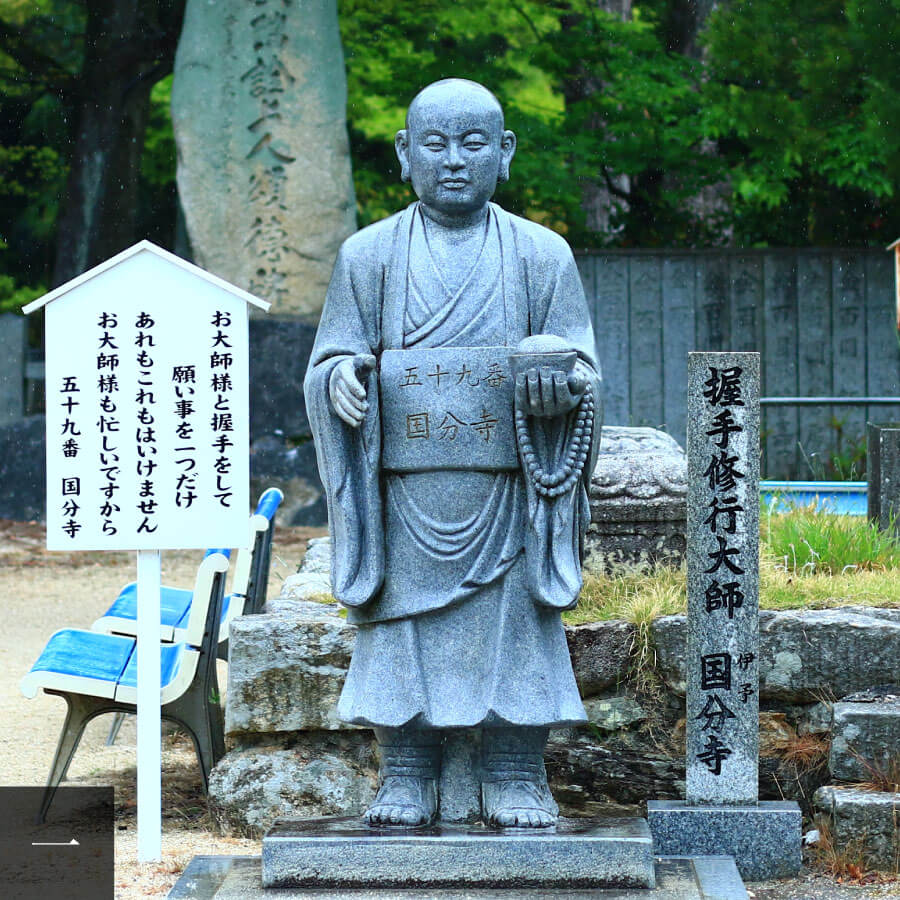
Shake Hands with Master Daishi

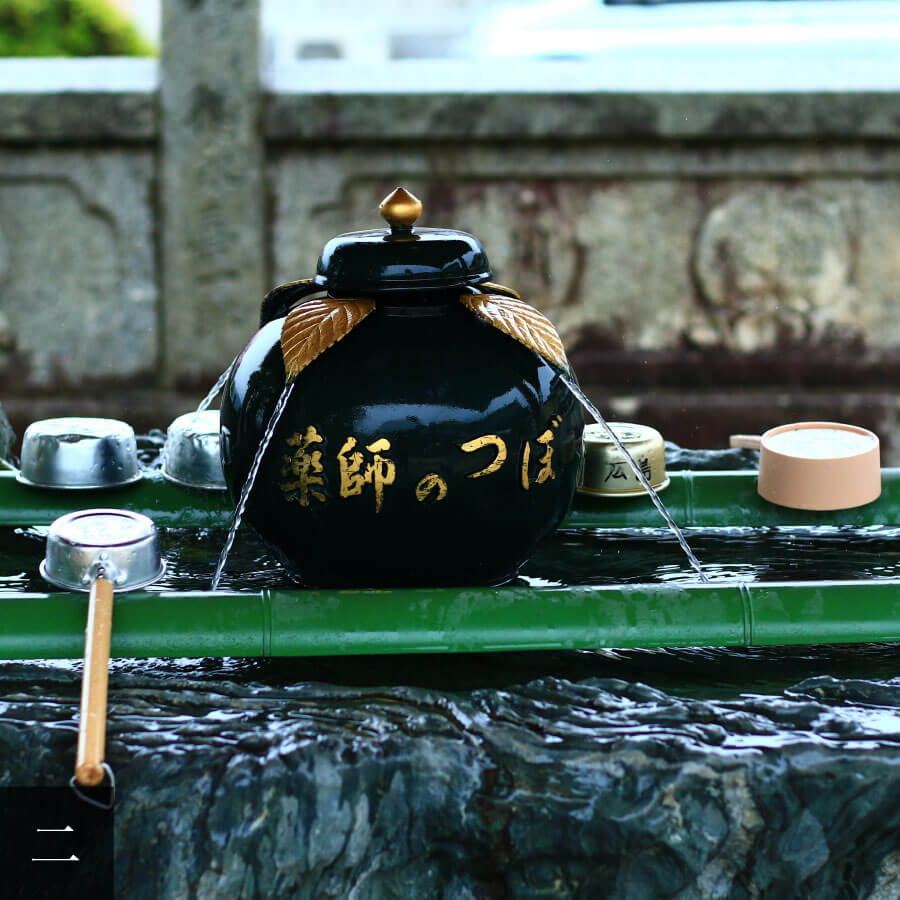
* Image 1

Pharmacist’s Vessel

* Image 2

History and origin of Kokubunji

Iyo Kokubunji. This is the place where Iyo Culture originated, where the Iyo government was located. The former Kokubunji was about 150m east of the current temple. There are 13 huge cornerstones in the ruins that are considered to be the eastern tower ruins, and it is regarded as a national historic site. The height of the seven-storied pagoda, estimated from the layout of the corner stones, was about 60m, and the temple view with the magnificent seven structure temple is reminiscent of the old days of the Tenpyō era, which reigned in Iyo’s Buddhist world, leaving behind its remnants.
It is said that Kokubunji was founded in the 13th year of the Tenpyō era, by the imperial entreaty of Emperor Shoumu (reigned 724 to 749). When he was the third priest, Kobo Daishi stayed for a long time to devote himself to the image of the “Five Great Wisdom Kings”, and his master’s disciple Prince Shinnyo (?-862) also stayed for two years. A part of the Lotus Sutra was copied and stored here.

Later Iyo Kokubunji was hit by a tragic disaster. First of all, in the second year of the Tenpyō era, in 939, Fujiwara Sumitomo’s Rebellion turned the temple to ashes. Next, burnt down again due to the fire of the Genpei Battle in the first year of the Genryaku era,1184. The third time it was burned by the fire of Sanuki and Noriyuki Hosokawa in the 3rd year of the Jōji era (1364). For the fourth time, Chosokabe Motochika’s “Tensho War” destroyed the temple again. The temple was devastated by a series of terrible disasters In the 2nd year of the Genroku era (1689), the writer Sakamoto, in his book “Shikoku Jouki”, writes “Only the small hall yet stands lonely”. Full-scale reconstruction was from the late Edo period.
Fortunately, there are many cultural artifacts such as “Kokubunji Scrolls” and “Great Perfection of Wisdom Sutra” in addition to ancient tiles.

The highlights of Kokubunji

Hondo, Honson, Abbot’s quarters, Chinese camellia (In early April, a flower similar to a peony 17cm in diameter is delightful to see.)

Temple 59 Fudasho: Konkozan Saishoin Kokubunji

Denomination
Shingon sect
Honzon
Yakushi Nyorai
Pioneer
Gyoki
Founding
13th year of the Tenpyō era, 741
Mantra
On korokoro sendari matōgi sowaka

Access

Location
Kokubu 4-1-33, Imabari, Ehime 799-1533
Tel
0898-48-0533
Parking
Yes
Shukubo
(TempleLodging)
None
Website
None

From Imabari Interchange, take National Route 196 for Toyo City. Turn left at Takaichi intersection and go straight. Turn right on Prefectural Road 156 and after about 1km you will find it on your left.
⇒ Google map